What the dog on the end of the lead is doing for you
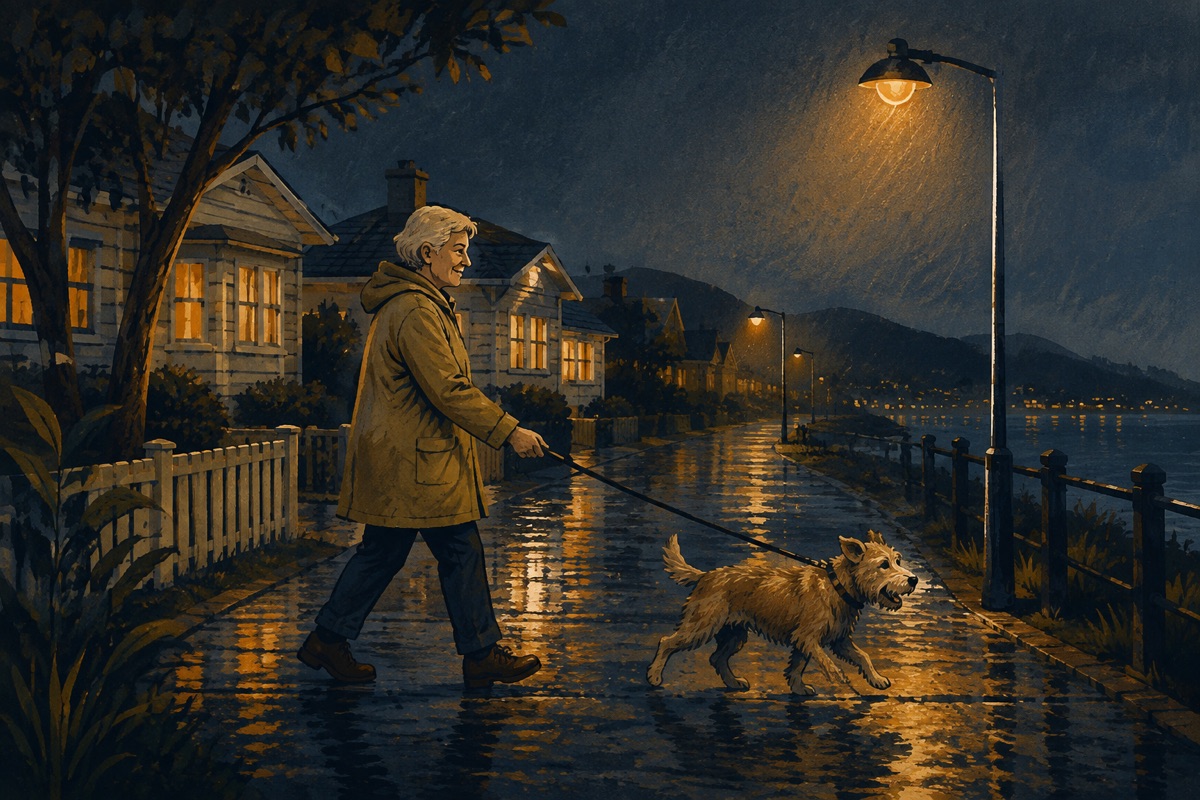
Considered purely as machinery, a dog is an appointment. It books a walk with you every day, accepts no cancellations, and enforces the booking by standing at the door radiating moral disappointment. Rain does not move it. Your mood does not move it. And that immovability, mundane as it sounds, is the engine behind most of what researchers find when they study dog owners.
They find, first, that owners simply walk more. Not because they are more virtuous, but because the appointment exists: study after study shows dog owners far more likely to rack up regular walking than otherwise similar people without one. Every fitness plan ever abandoned failed at the same point, the day you did not feel like it. The dog has no interest in whether you feel like it, which makes it, among other things, the most effective adherence device ever to sleep on a couch.
The walking shows up downstream. The American Heart Association went as far as issuing a formal scientific statement on the question, concluding that dog ownership is associated with lower cardiovascular risk. The statement was careful, and so shall we be: associated is the load-bearing word. Nobody has run the trial where people are randomly issued labradors, and the kind of person who takes on a dog may differ from the kind who does not in ways no statistician can fully untangle. Some of the benefit is probably the walking. Some is probably the person. The AHA said as much itself.
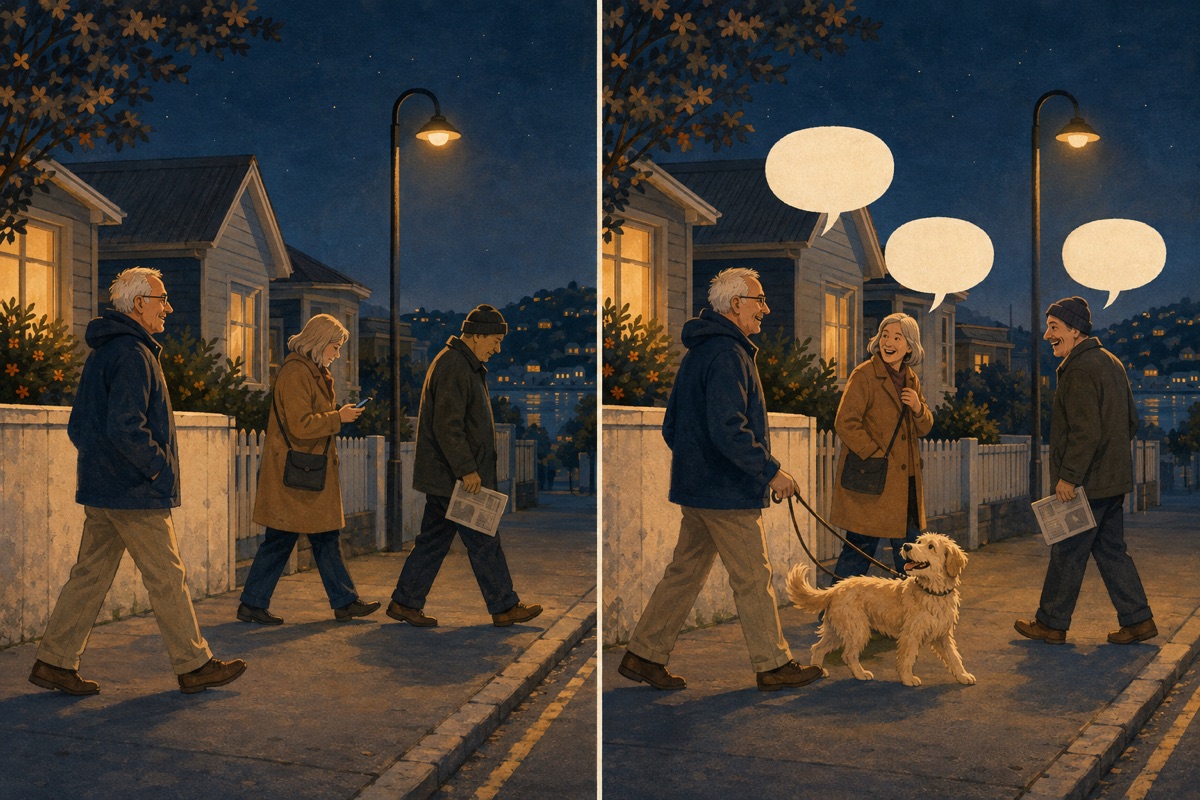
What the cardiology statement does not capture is the social side. People talk to people with dogs. Researchers have measured it directly: the same person, walking the same route, collects strangers' conversation at a completely different rate with a dog on the lead than without. For anyone whose incidental chat has thinned with retirement or a quieter house, a dog is a portable icebreaker that renews itself daily. Add the quieter findings, like the small drops in blood pressure measured while people stroke a familiar dog, and the steady scaffolding of feeding, brushing and being needed, and the appointment starts to look like a package.
Honesty requires the other column. A dog costs real money, demands mobility its owner may not always have, and signs you up for a decade or more, including the hard ending. Taking one on to fix loneliness, without wanting the animal itself, is unfair to both parties.
Which is why the best-kept secret in this area is the part-time dog. Most neighbourhoods contain an overworked spaniel whose owners would be delighted for it to walk twice as often, and arrangements like weekend borrowing or holiday minding are increasingly ordinary. You get the appointment, the conversation-starter and the wagging, without the vet bills. The spaniel, for its part, considers this an excellent deal.