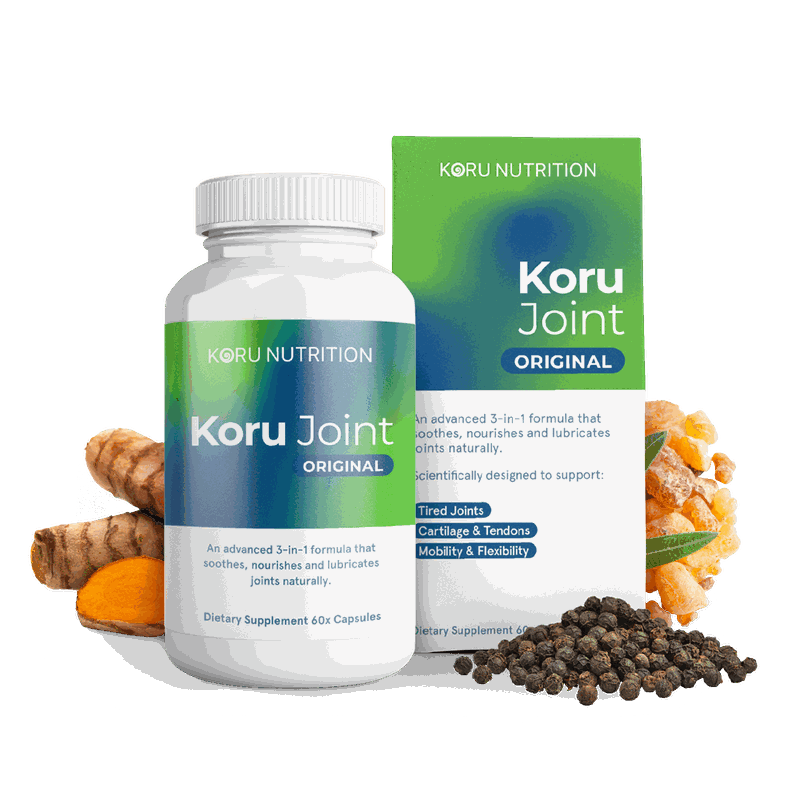
Health Consumer
Nutrition

Melatonin in New Zealand: why the rules are different here
In the United States melatonin sits on supermarket shelves. In New Zealand it is a medicine, the rules only began loosening in 2025, and the approvals are built for short-term use. Here is where things stand, and why older people should take the most care.

Glycine: the amino acid that turns down your thermostat at night
The smallest amino acid in the body has a curious evening party trick: it nudges your core temperature in the direction sleep wants it to go.

How to read a sleep supplement label in New Zealand
Five things to check on the back of the bottle before you care about anything on the front: serving size, mineral forms, extract ratios, named doses, and the warnings box.
Magnesium glycinate: why the form on the label matters
Oxide, citrate, glycinate: the word after 'magnesium' decides how much of the mineral you absorb and how your stomach feels about it. Here is how to read it.

What's the best sleep supplement in New Zealand? An honest guide
There is no single best sleep supplement. There is a best-known ingredient for each kind of bad night, and the useful skill is matching them. A guide for New Zealand shoppers.

Why turmeric works better with black pepper
Curcumin is famously hard for the body to absorb. A compound in ordinary black pepper changes that, and the pairing holds a lesson for anyone who reads supplement labels.

Curcumin and boswellia: why the two keep sharing a capsule
One comes from a root, the other from a tree's resin. The two extracts keep sharing a capsule because they cover different ground.

Glucosamine and chondroitin: partners in your cartilage first
A builder and a cushioner: the two ingredients on almost every joint label were partners in your cartilage before they were partners on a label.

Vitamin C's quiet day job in your joints
The winter vitamin has a year-round day job: without it, your body cannot build collagen, the protein that holds joints, tendons and skin together.

Magnesium, zinc and vitamin B6: the minerals behind a good night
Herbs get the headlines on sleep formula labels. The quiet mineral trio near the bottom of the list supplies the raw materials.

Valerian and passionflower: two herbs with a long evening tradition
Two plants from opposite hemispheres, used at the same hour of the day for centuries. History arranged this pairing long before formulators did.

L-theanine: why a cup of green tea feels calm
Green tea has caffeine, yet nobody mistakes it for coffee. The difference is an amino acid found almost nowhere else in nature.