L-theanine: why a cup of green tea feels calm

Here is a small mystery from the tea cupboard. Green tea contains caffeine, the same stimulant as coffee, yet nobody describes the two drinks the same way. Coffee is a jolt. Tea, somehow, is a pause. The difference has a name, and it is L-theanine.
Theanine is an amino acid with one of the narrowest distributions in nature: it is found in tea plants and a single species of mushroom, and almost nowhere else. Japanese researchers first isolated it in 1949 from gyokuro, a prized shade-grown green tea, which was a fitting place to look. Shading a tea plant before harvest raises its theanine content, and the finest Japanese teas are shaded for exactly that reason. Theanine also contributes much of the savoury, almost brothy sweetness, the umami, that separates a good green tea from a bitter one. When you pay more for better tea, a fair slice of the premium is theanine.

What makes it interesting beyond the teacup is what happens after you swallow it. Theanine is one of the relatively few dietary compounds that crosses from the bloodstream into the brain, and researchers measuring brain activity in people who have taken it have recorded patterns associated with a relaxed but wakeful state. That phrase deserves attention, because both halves matter. Relaxed, but wakeful. Theanine is not a sedative and does not work by making you drowsy. Tea drinkers have effectively known this for centuries: nobody falls asleep into their cup of sencha, but nobody mistakes it for an espresso either.
That unusual profile explains where theanine turns up in the supplement world. You will find it in daytime focus blends, where calm without drowsiness is the whole brief. And you will find it in night formulas, which seems contradictory until you consider what actually keeps many people staring at the ceiling: not a body that refuses to rest, but a mind still running tomorrow's meeting. Settling a busy mind is a different job from switching off the lights, and theanine is included for the first job, not the second.
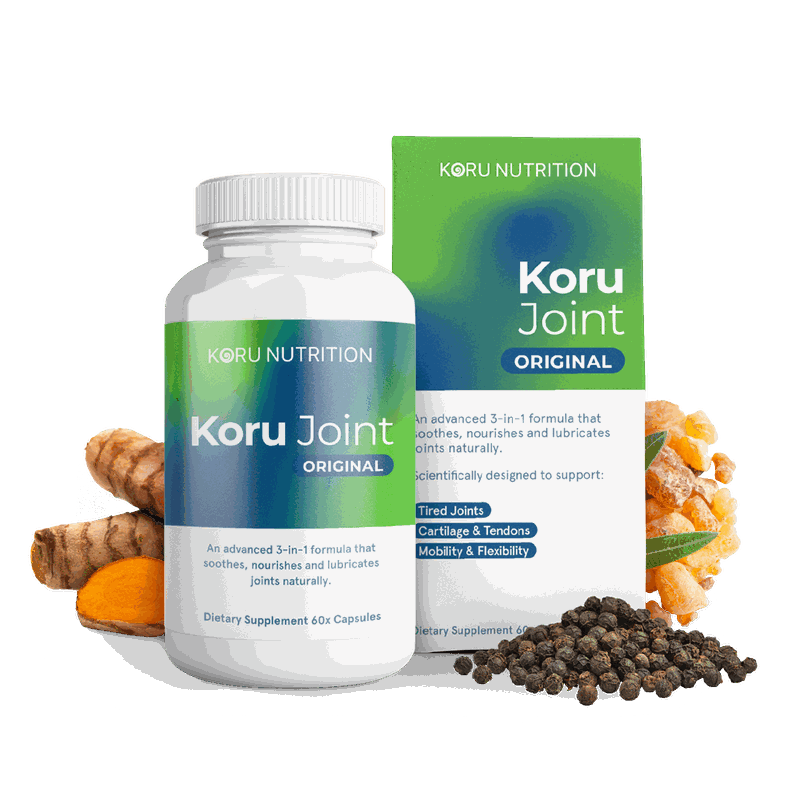
In the Koru Nutrition range, L-theanine is one of the seven compounds in Koru Sleep, made in Christchurch, where it works alongside ingredients like magnesium and passionflower.
Or, of course, you can take it the way the world has taken it since before anyone could spell amino acid: brew a decent pot of green tea, and notice the pause.