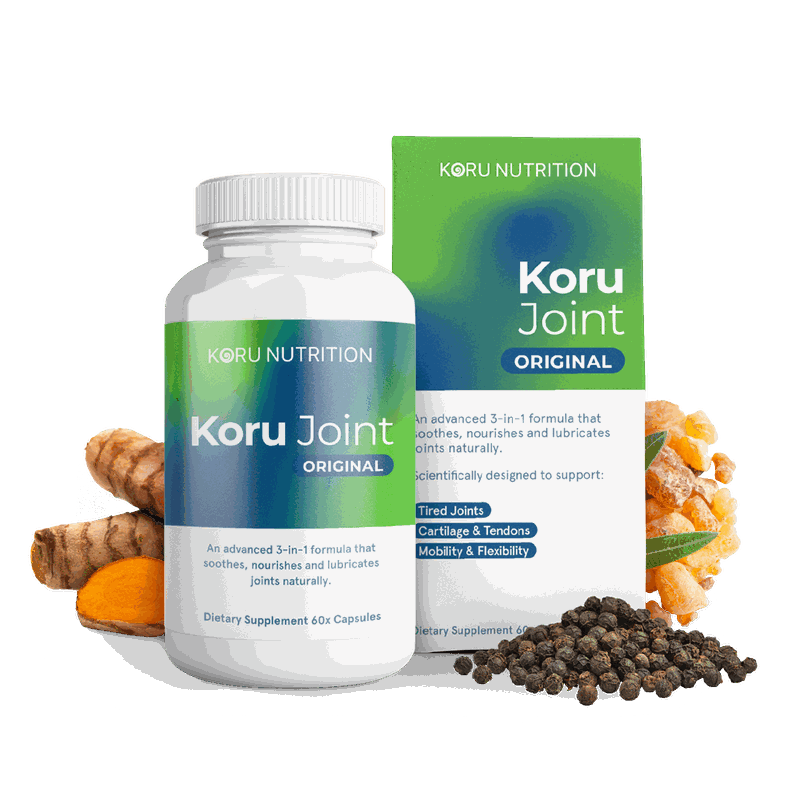
Why turmeric works better with black pepper

Turmeric has had a remarkable run. A root that spent thousands of years as a curry staple and a fabric dye now sits in supplement aisles all over the world, and the compound responsible is curcumin, the pigment that gives turmeric its deep golden colour. Curcumin makes up only a few percent of the root by weight, which is the first reason a teaspoon of turmeric in your dinner is not the same thing as a measured extract.
The second reason is more interesting. Curcumin is famously difficult for the body to absorb. Swallowed on its own, most of it passes straight through. The portion that does get taken up is broken down quickly by the gut wall and the liver, so levels in the blood stay low and fall fast.
This is where black pepper earns its place. Pepper's bite comes from a compound called piperine, and piperine slows the very enzymes that dismantle curcumin. In a widely cited human study from 1998, adding a small amount of piperine to a dose of curcumin raised the amount reaching the bloodstream twenty-fold. Not twenty percent more. Twenty times more.

Cooks were ahead of the science, as they often are. Traditional curry blends have paired turmeric with black pepper for centuries, chosen purely on flavour, and the chemistry turned out to agree with the recipe.
There is a lesson here that goes well beyond one spice. An ingredient list tells you half the story. Two products can name the same ingredient yet deliver very different amounts of it to the body, depending on how the formula is built. When you compare labels, the useful question is not only what is in the capsule but what the formulator has done to help it get where it is going.
The same thinking applies on the skin. Koru FX, the joint and muscle cream made by Koru Nutrition in Christchurch, includes black pepper and nutmeg for exactly this reason: piperine gently widens the small blood vessels near the surface of the skin, which helps the cream's plant oils move through rather than sit on top. Different route into the body, same principle.
And at home, the cheapest upgrade in the spice drawer still stands. If a recipe calls for turmeric, a good grind of black pepper belongs next to it. The pairing costs nothing, and it is one of the few kitchen habits with a laboratory study behind it.