The double breath: a sigh with a job

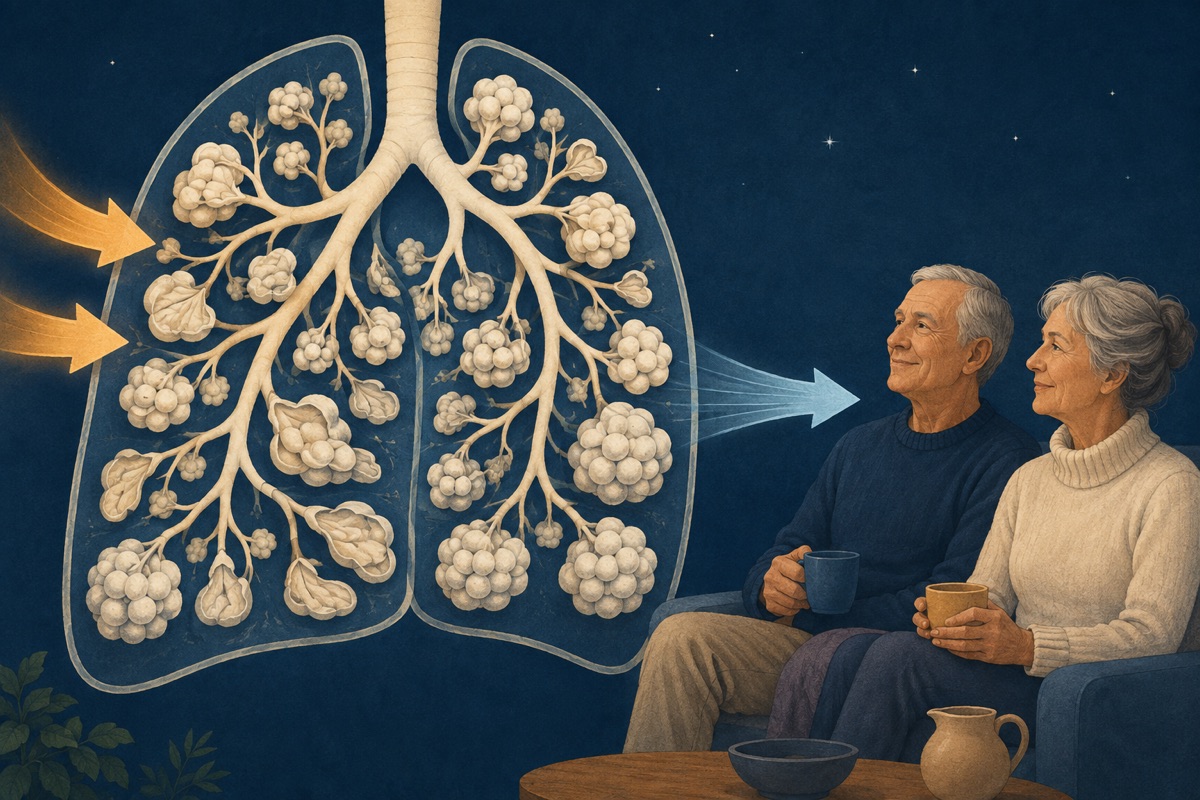
Right now, roughly every five minutes, you are sighing. Not from weariness or romance: it is a reflex, running quietly in the background, and it has a maintenance job. The lungs' three hundred million tiny air sacs have a tendency to slowly deflate as you breathe normally, collapsing flat like tired balloons, and an ordinary breath will not pop them open again. A sigh will. That double-pull of air, the deep breath topped up with a second little gulp before the exhale, reinflates the flattened sacs and keeps the whole apparatus working. Babies do it from their first hours. You would struggle to stop doing it if you tried.
What is interesting for the rest of us is what happens when you borrow the reflex on purpose. The technique goes by the name "physiological sigh" and takes about five seconds: breathe in through the nose, and when you feel full, sneak in a second short top-up inhale; then let the whole lot out through the mouth, slowly, taking longer over the exhale than you did over both inhales combined. That is the entire method. No app, no mat, no subscription.
A Stanford trial put it to a fair test, assigning people five minutes a day of either this cyclic sighing, other breathing patterns, or mindfulness meditation, for a month. The sighing group reported the biggest improvement in day-to-day mood, and their resting breathing rate came down, a decent objective marker that the body itself had settled. Five minutes of anything beating meditation at its own game raised eyebrows, but the mechanism was never mystical.
It is cardiac, mostly. Your heart does not beat at one fixed rate: it quickens slightly on every inhale and slows on every exhale, a see-saw run by the vagus nerve, the long wandering nerve that acts as the body's brake line. Stretch out the exhale and you are simply holding the brake on for longer than the accelerator. Do it two or three times in a row and the whole nervous system takes the hint, in seconds rather than the twenty minutes a bath needs.
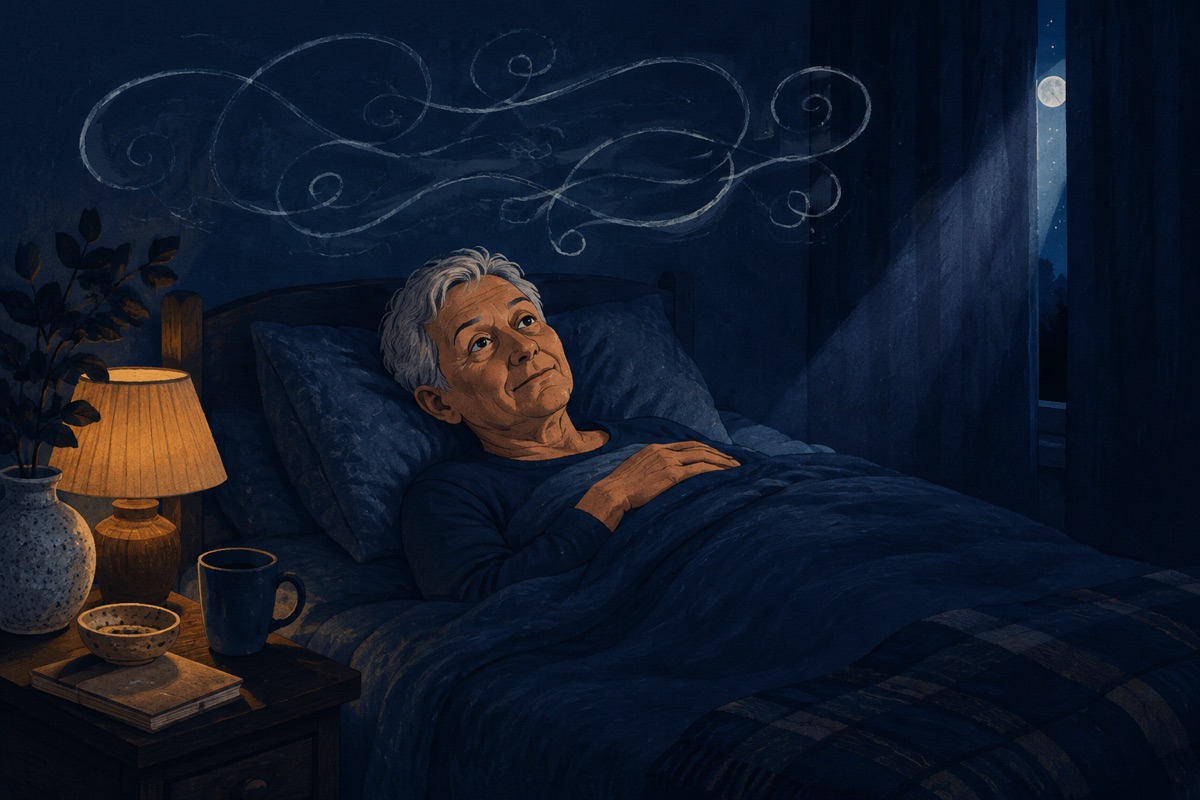
Which is exactly what it is for: the moment before the difficult phone call, the hospital waiting room, the 3am ceiling inspection, the queue that has stopped moving for reasons nobody will explain. Two inhales, one long exhale, repeat. Nobody around you will even notice it happening, which is more than can be said for most calming techniques.
An honest note on limits: this is a hand brake, not an engine overhaul. It settles a moment, not a life, and worry that runs most days or lifts for nothing deserves a conversation with a GP rather than another technique. But as standard equipment goes, it is a fine thing to discover you have owned all along.