The letterbox rule: morning light is the cheapest sleep habit in New Zealand
Deep in your brain, just above where the optic nerves cross, sits a cluster of cells about the size of a grain of rice. It is the body's master clock, and it has one small engineering flaw: left to itself, it runs slow. Its natural day is slightly longer than twenty-four hours, so without a daily correction it would drift later and later, taking your sleepiness with it, until you were living on Fiji time in a Tauranga kitchen.
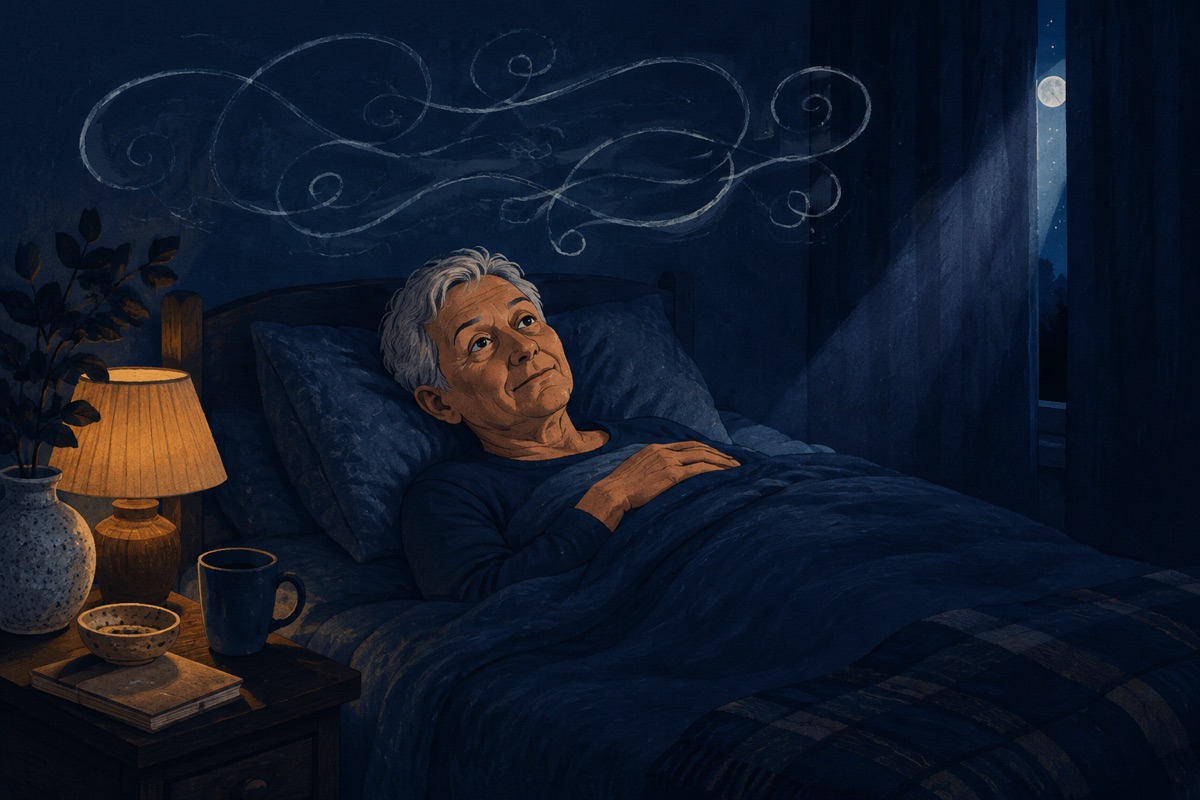
The correction arrives through the eyes. Special light-sensing cells in the retina, separate from the ones you see with, report brightness directly to the clock. Bright light in the morning tells it "this is morning, wind yourself back", and the whole downstream schedule, including the evening rise of the sleep hormone melatonin, gets anchored to the right hour. Sleepiness at eleven at night is, in a real sense, something you arrange at eight that morning.
Here is the part almost everyone gets wrong: indoor light does not do the job. It feels like it should. A well-lit kitchen seems bright, but seeming is not measuring. Light is measured in lux, and a pleasant room musters a few hundred at best. Step outside on the greyest, most discouraging July morning New Zealand can produce, and the sky is delivering ten thousand lux or more; on a clear day, many times that. To the rice-grain clock, a morning spent pottering indoors is a morning that never quite happened.
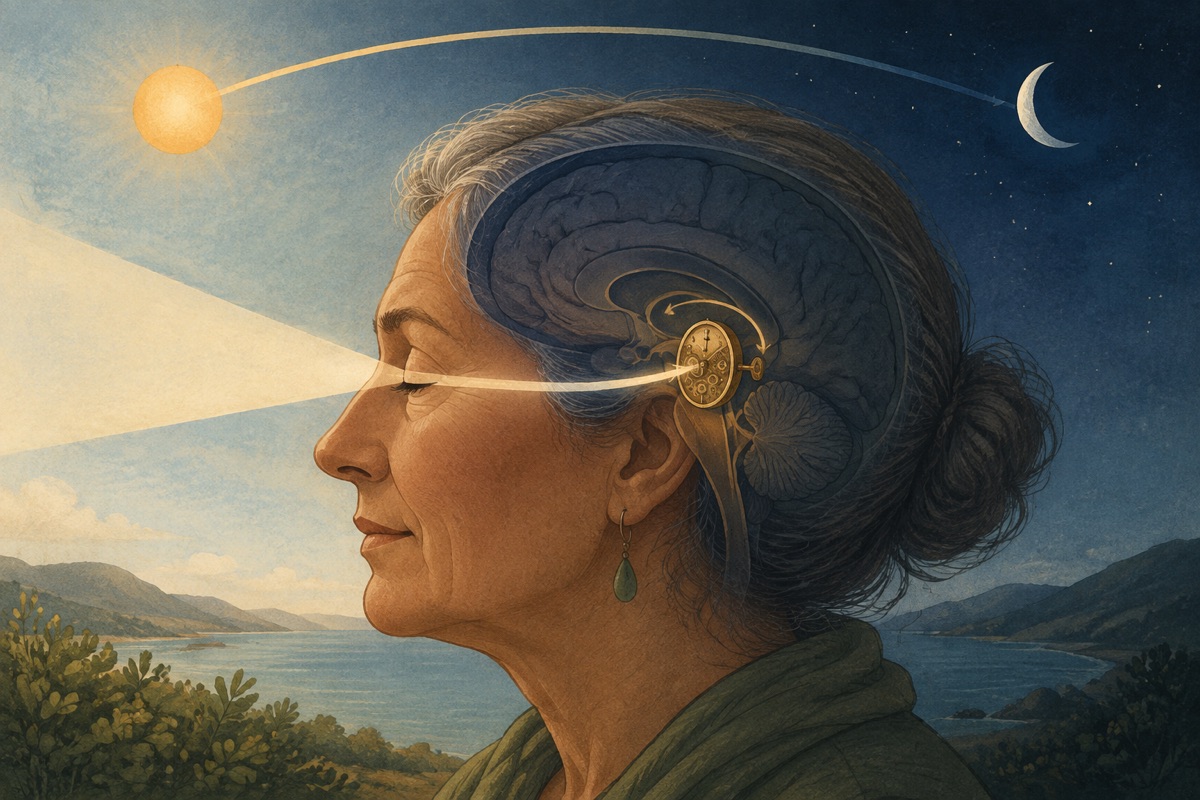
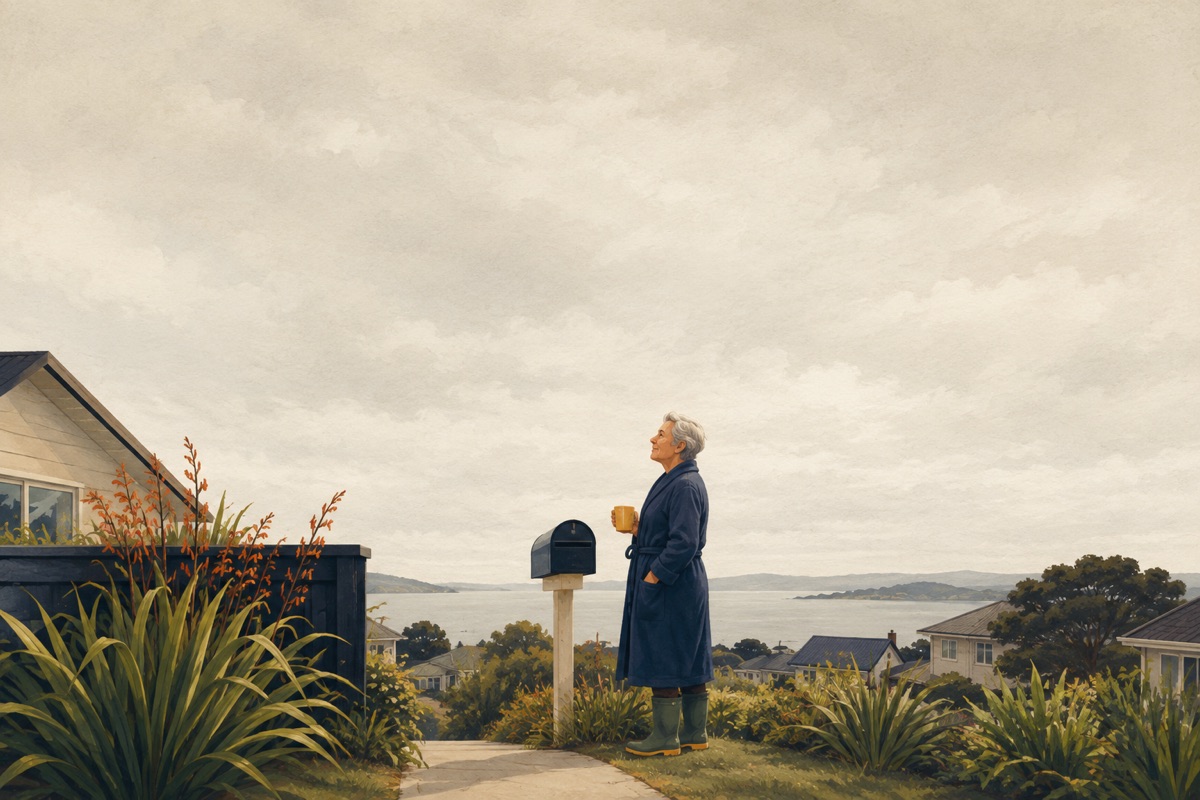
Hence the letterbox rule. At some point in the first couple of hours after waking, go outside for ten or fifteen minutes. The letterbox walk qualifies. So does hanging out washing, drinking the first cup of tea on the step, deadheading whatever needs deadheading, or walking to the dairy for the paper. No sunglasses if it's comfortable, since the whole point is light reaching the eyes; never look at the sun itself, which was true before this article and remains true after it. The clock does not require sunshine, effort, or good weather. It requires sky.
The evening runs the same physics in reverse. Bright light late tells the clock the day is still going and nudges the melatonin rise later, which is an argument for dimmer lamps and less screen glare in the last hour or two before bed, especially for anyone whose sleep already arrives late and reluctantly.
Sleep advice tends to come with a price tag or a regimen. This one has neither. The dose is lying around outside every morning, free, in quantities no light bulb can match. All it asks is that you go and stand in it.