
Stand up for the ad break
"Sitting is the new smoking" has done its rounds, and like most slogans it overstates a real finding and then hides the useful part. The useful part is this: the research case against sitting is mostly a case against sitting in one unbroken block. The chair is not the villain. The three hours without leaving it is.
The evidence that changed how researchers talk about this came from trials in Melbourne, where people spent a morning sitting solidly while their blood was sampled, and then, on another day, had their sitting interrupted every twenty to thirty minutes by two minutes of easy strolling. Nothing brisk, no gym gear, a dawdle. On the interrupted days, the rise in blood sugar and insulin after a meal was measurably smaller. Same people, same meal, same total time in the chair. The only difference was punctuation.
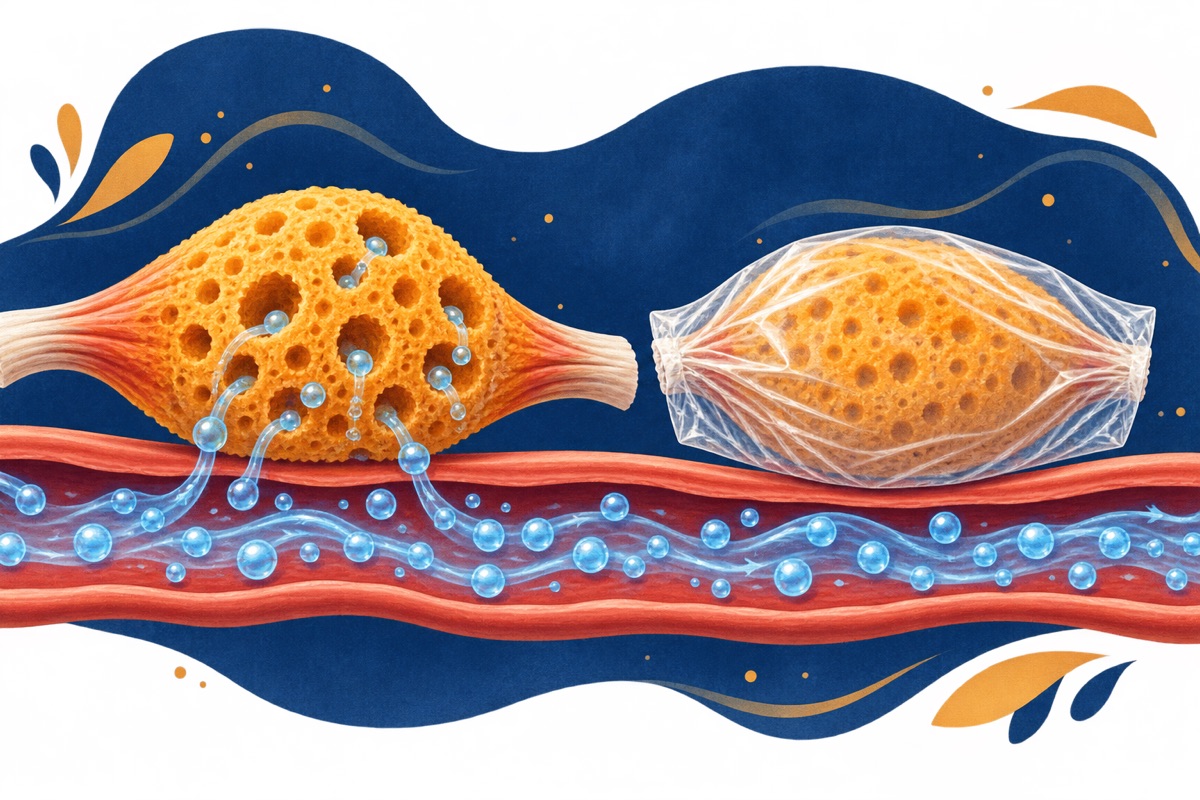
The mechanism is muscle. Your muscles are collectively the biggest consumer of sugar in your body, and they have a peculiarity: while they are contracting, they can pull glucose out of the bloodstream almost on their own, with much less need for insulin to open the door. A muscle at work is a sponge. A muscle that has been motionless for two hours is a sponge in its packet. The two-minute stroll is not exercise in any meaningful sense; it is wringing the sponge so it can soak again.
There is also the humbler business of circulation. Blood in the lower legs relies on muscle contractions to help pump it home, which is why ankles stiffen and feet fall asleep during a long sit, and why the first steps after one feel like borrowed legs. A minute upright resets that too.
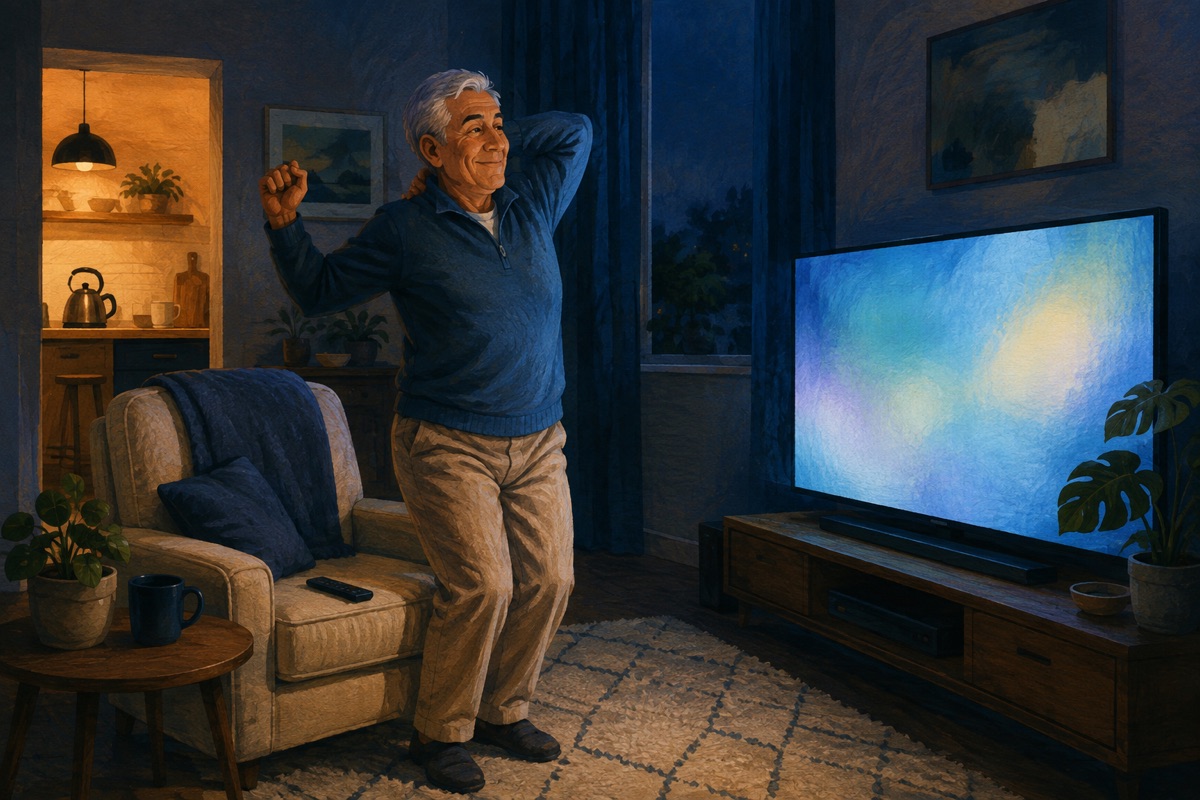
Now for the good news: if your evenings involve television, you already own the timer. The ad break arrives every quarter hour or so, uninvited, and is showing you nothing you will miss. Stand up for it. Walk to the kitchen and back, put the kettle on, take the cup to the sink, stand at the window and judge the neighbour's garden. Sit down when the programme returns. That is the whole intervention, and it maps almost exactly onto what the Melbourne protocols did.
Streaming complicates it only slightly; the boundary between episodes does the same job, provided you stand for it rather than letting the next one autoplay over the top of your good intentions.
Nobody needs to call this exercise, and it will never appear on a fitness watch as anything impressive. It is closer to housekeeping. The programme provides the sitting. The ad break, for once earning its place, provides the antidote.