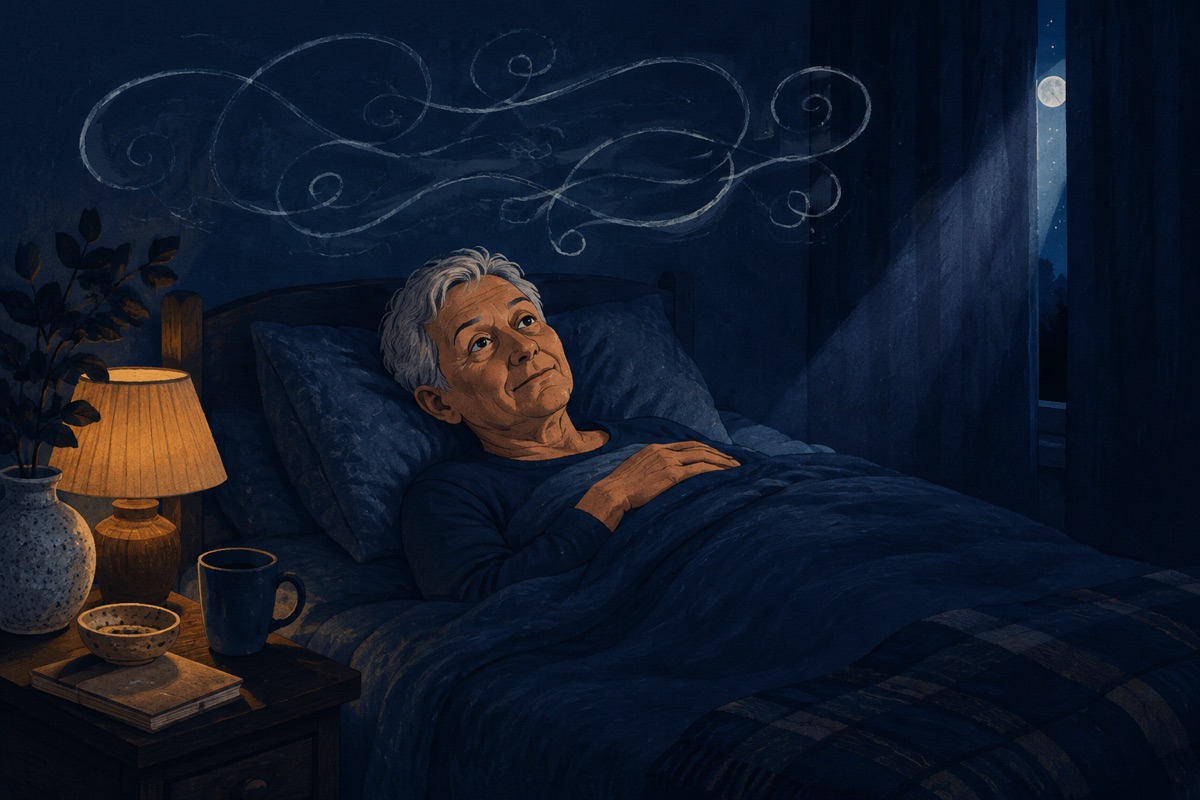
The twenty-minute nap: how to sleep in the afternoon without wrecking the night
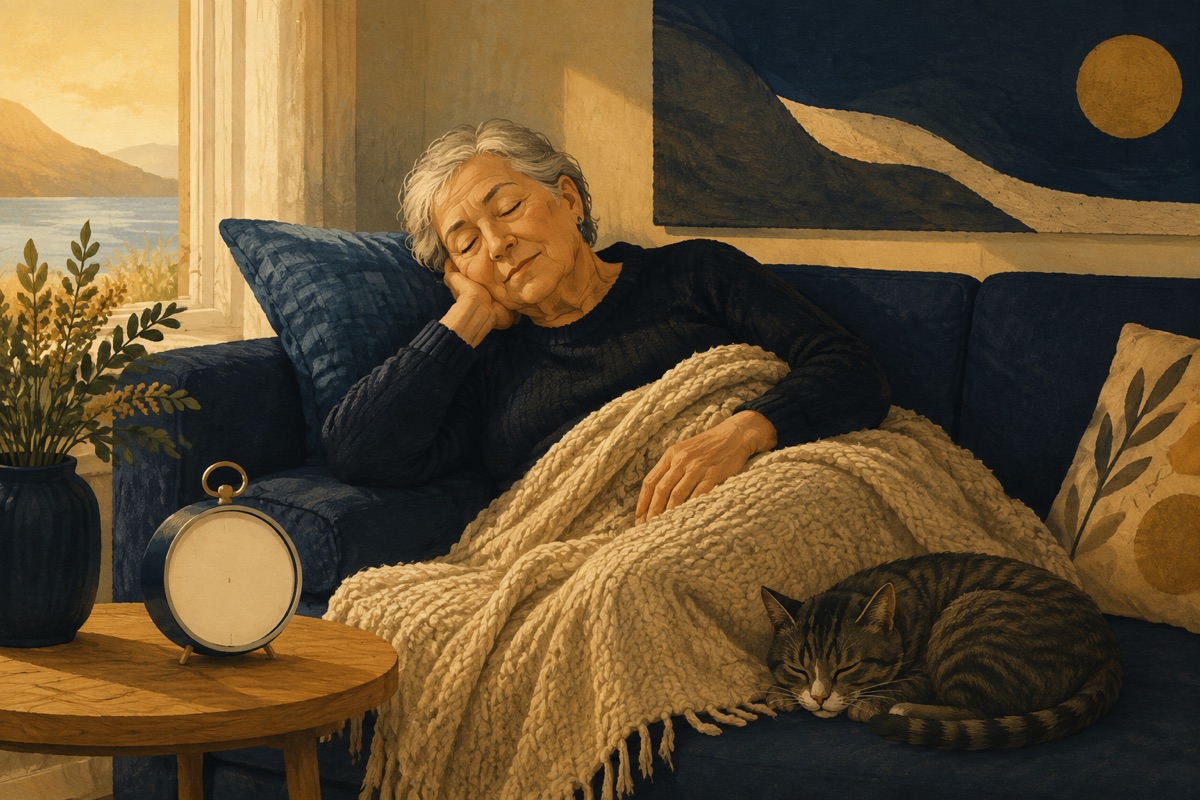
The afternoon nap has an image problem. Depending on who you ask it is either a sign of a life well arranged or the first step towards sleeping through the six o'clock news. The research view is less dramatic than either: a nap is a dose, and like any dose, the outcome depends on size and timing.
Start with what a nap is spending. From the moment you wake, a chemical called adenosine accumulates in the brain, building the pressure that will eventually make sleep irresistible tonight. (It is the same substance caffeine spends its afternoon impersonating a bouncer against.) Sleep is what drains it. That is the whole napping dilemma in one sentence: any sleep now is subtracted from the pressure you were saving for eleven o'clock.
A short nap, though, spends only pocket change. In twenty minutes of dozing you skim the light early stages of sleep, drain a little pressure, and surface easily, usually fresher and more accurate for the next few hours. The famous demonstration came from NASA, which gave long-haul pilots naps averaging twenty-six minutes and measured their alertness improving by around half. Airlines did not adopt cockpit naps out of sentiment.
The trouble starts near the half-hour mark, because sleep is staged like a house. Around then you stop dozing on the ground floor and descend into deep slow-wave sleep, the heavy, restorative basement level. Wake an hour into that descent, as the average unplanned couch nap does, and you surface through concrete: thick-headed, disoriented, worse than before you lay down. The state has a name, sleep inertia, and it can drag on for the better part of an hour. Most people who say napping doesn't suit them are describing sleep inertia, not napping.
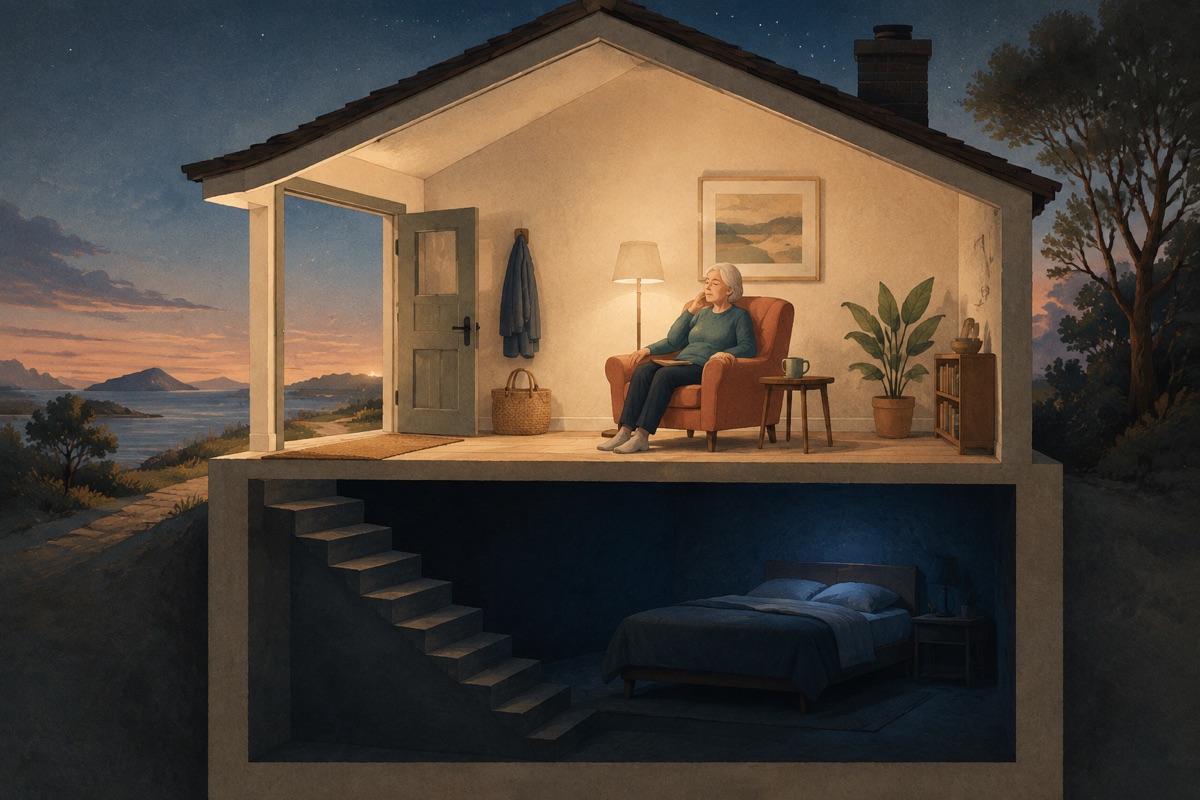
So the practical rules write themselves. Keep it to about twenty minutes, which in practice means setting an alarm for twenty-five and not negotiating with it. Take it early in the afternoon, the post-lunch dip being the natural slot, and treat anything after about three o'clock as a loan against the night at unkind interest. If you genuinely need longer, the honest alternative is ninety minutes, one complete cycle down through the basement and back up, so the alarm catches you near the surface; just know it spends far more of the night's pressure.
One caveat worth its space: a sudden new appetite for long daily naps, in someone who never needed them, is worth mentioning to a GP, since it often means the night sleep has quietly deteriorated. The nap itself, taken in its twenty-minute form, needs no defending. Winston Churchill ran a war on them.