Warm house, cool bedroom: the eighteen-degree rule
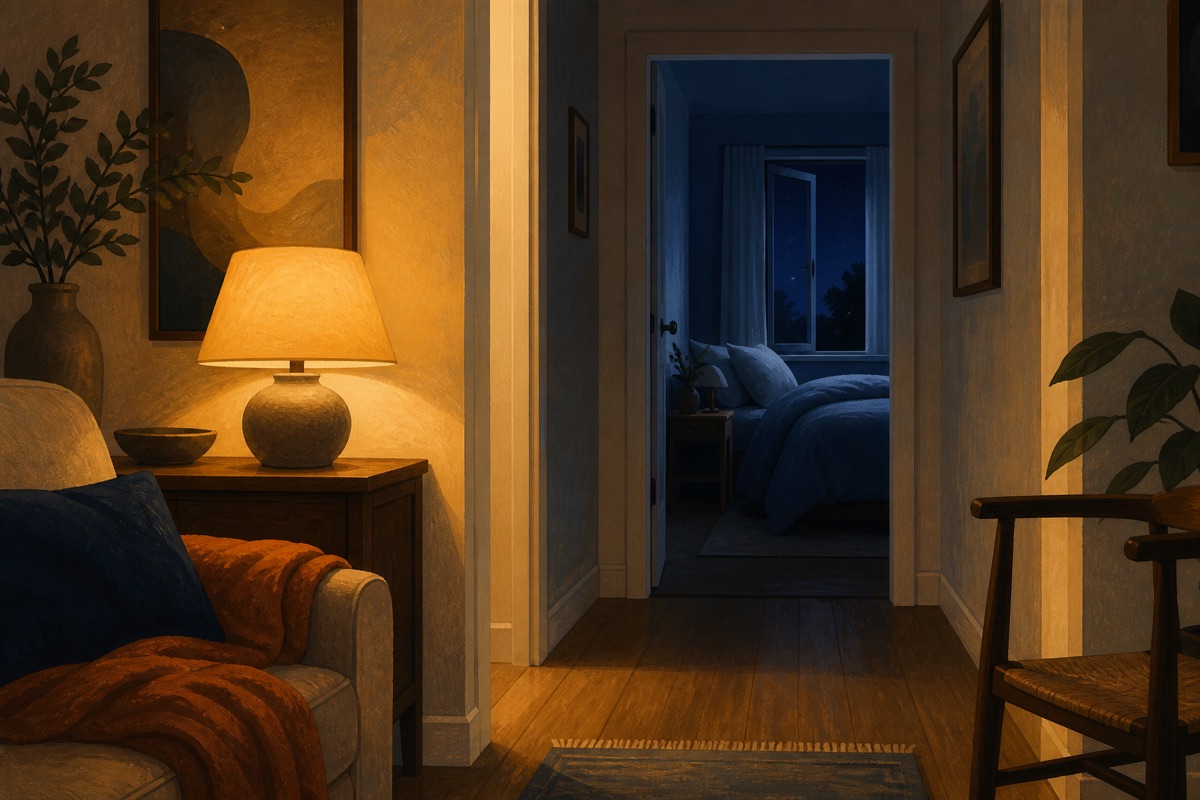
Here is a small heresy for a New Zealand winter: the best bedroom in the house is the coolest one. We spend the cold months chasing warmth from room to room, and then carry that logic to bed, where it quietly works against us.
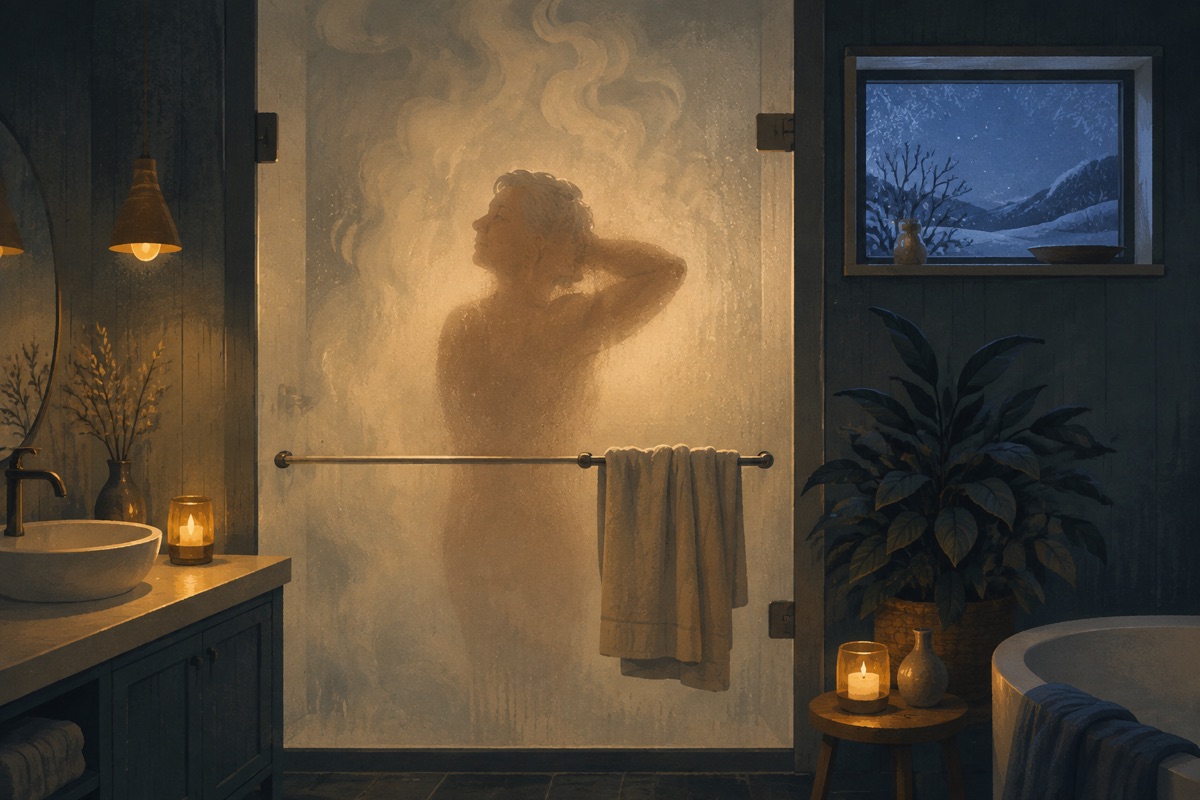
Falling asleep is, among other things, a heat-loss event. Your core temperature drifts down by around a degree across the night, and the slide starts before you even feel drowsy. The heat has to go somewhere, and it leaves through the skin, mostly via the hands, feet and face, where blood vessels near the surface open up and radiate warmth away like little heat exchangers. When that offloading runs smoothly, sleep tends to arrive on schedule.
A bedroom kept as warm as the lounge blocks the exit. The body wants to dump heat into the room, the room declines to accept it, and you lie there turning the pillow over, doing the arithmetic on tomorrow. This is why the sleep advice you see again and again lands on a bedroom around eighteen degrees: noticeably cooler than the living areas, without being cold.
The famous paradox of the warm socks makes sense once you see the mechanism. Cold feet clamp their blood vessels shut, which traps heat in the core, which delays sleep. Warm the feet and the vessels open, the core sheds its heat, and the whole system gets on with the job. Warm extremities, cool room: that is the combination. The amino acid glycine pulls on the same lever from the inside, as it happens, which is a story of its own.
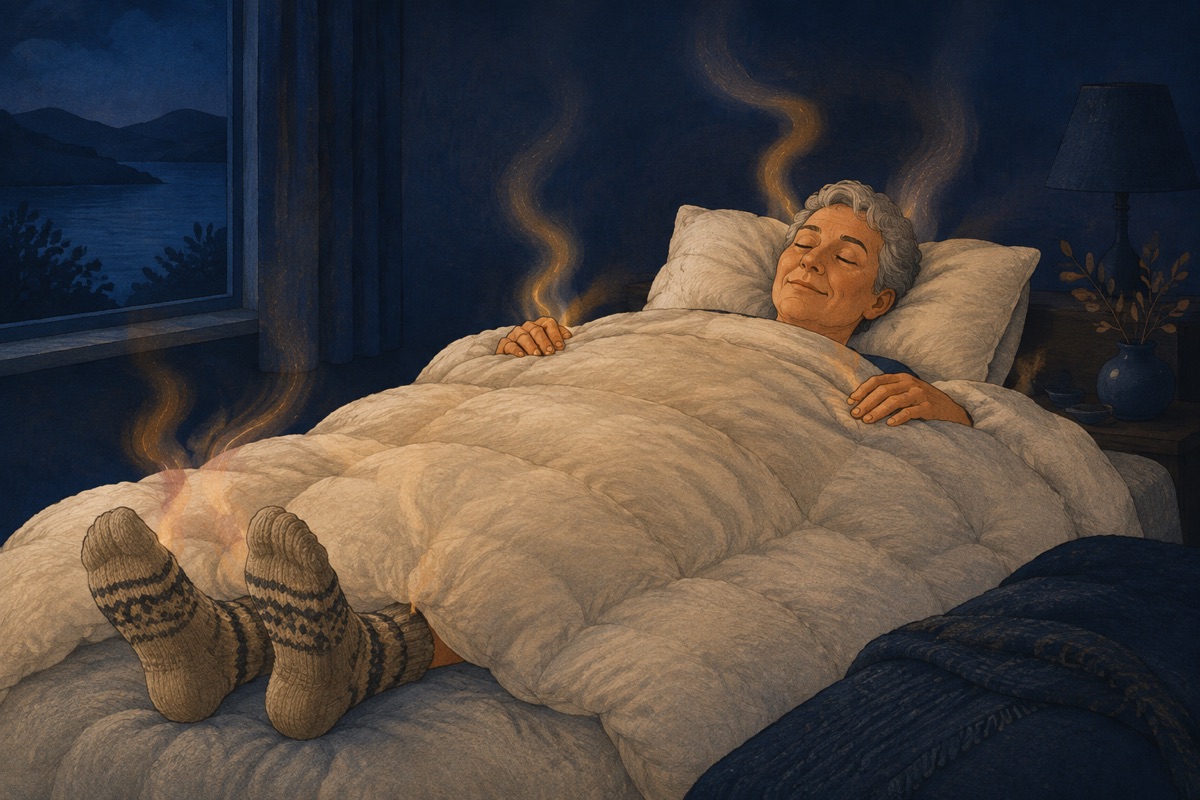
None of this means shivering virtuously under a thin blanket. A cold bed is its own obstacle, and the trick most sleep researchers would recognise is the one grandmothers arrived at decades ago: warm the bed, not the room. An electric blanket or hot water bottle before lights out means you climb into warmth, your skin is comfortable, and then, with the blanket off, the cool air does the overnight work of drawing your core temperature down.
There is a floor to all this. Many older New Zealand bedrooms in winter sit well below any reasonable number, and breathing genuinely cold air all night is nobody's idea of good rest. Cool is the target, not cold.
So heat the living room like you mean it, and let the bedroom lag behind. If the door to the sleeping end of the house stays closed while the fire is going, you may find the house has arranged the right temperatures all by itself.